


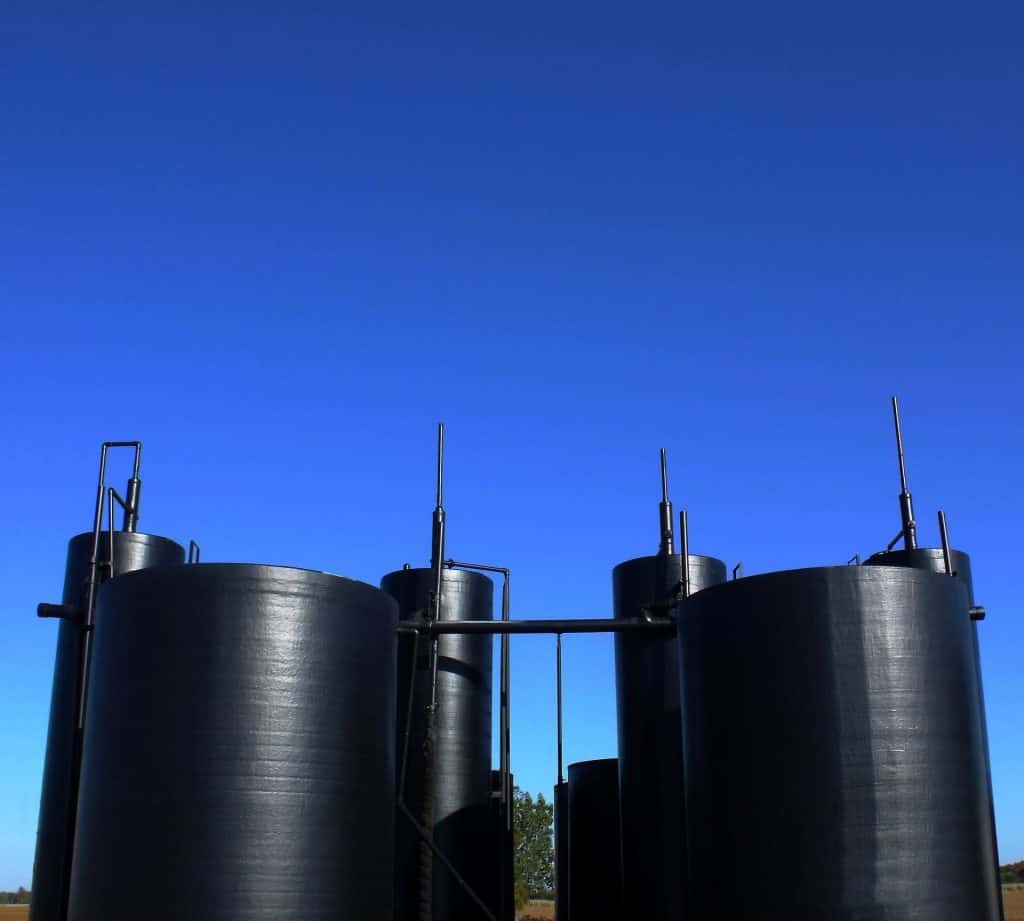
API 653 is a standard published by the American Petroleum Institute (API) that governs the inspection, repair, alteration, and reconstruction of aboveground storage tanks (ASTs) used in the petroleum and chemical industries. This standard is crucial for ensuring the continued safe and reliable operation of tanks throughout their service life. Notably, API 653 is fundamentally […]
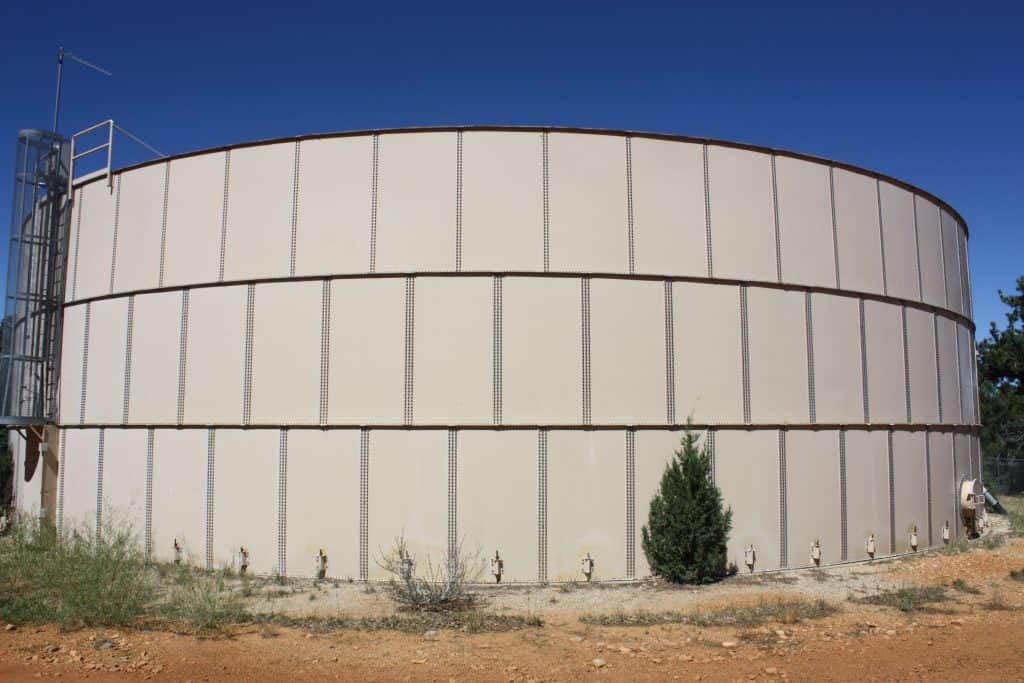
In the realm of industrial storage tanks, stability and safety are paramount. These structures, which often contain hazardous substances, require a robust foundation system to withstand external forces and prevent catastrophic failures. API 650, developed by the American Petroleum Institute (API), provides guidelines for the design, construction, and maintenance of welded steel tanks for various […]
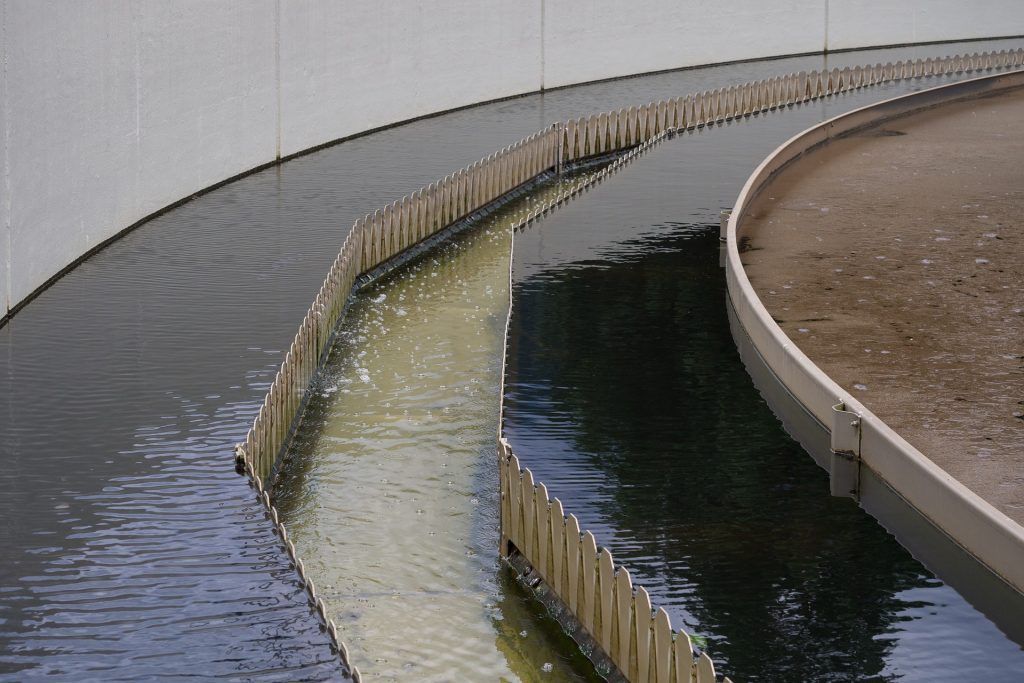
The presence of calcium (Ca2+) and magnesium (Mg2+) ions in a water supply is commonly known as “hardness.” The degree of hardness is classified as follows: The main problem associated with hardness is scale and deposits formation. Even levels as low as 5 to 8 mg/L are too extreme for many uses (i.e. as boiler […]
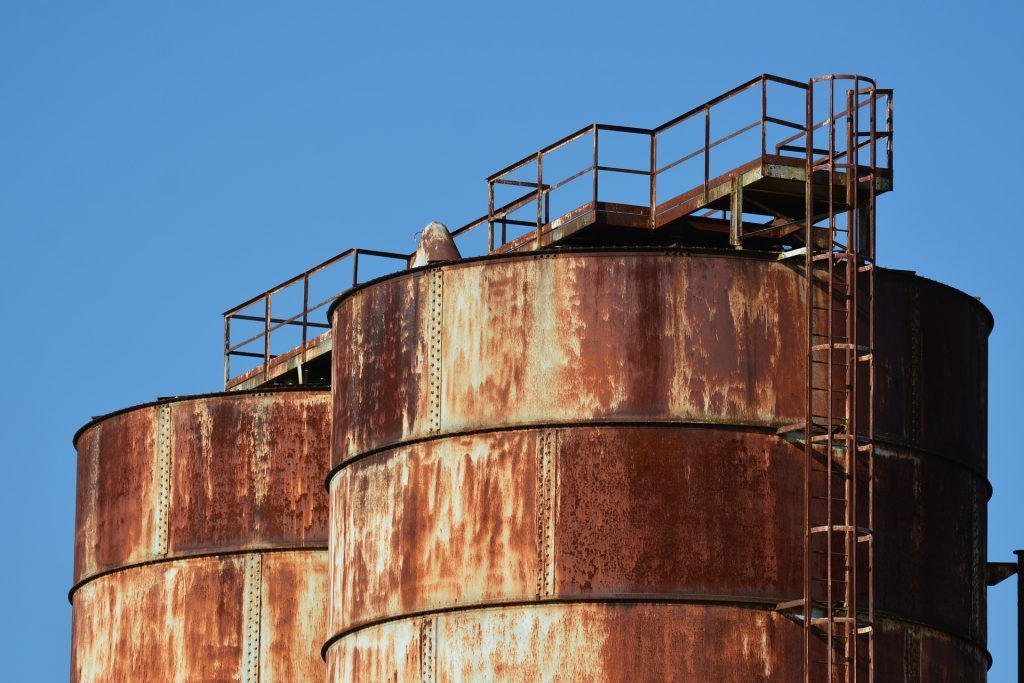
The API 653 standard was developed to guide during the inspection, repair, alteration and dismantling works of storage tanks designed and manufactured under API 650 or API 12C. Contents are divided into the following sections: Scope References Definitions Suitability for Service Brittle Fracture Considerations Inspection Materials Design Considerations for Reconstructed Tanks. Tank repair and Alteration […]
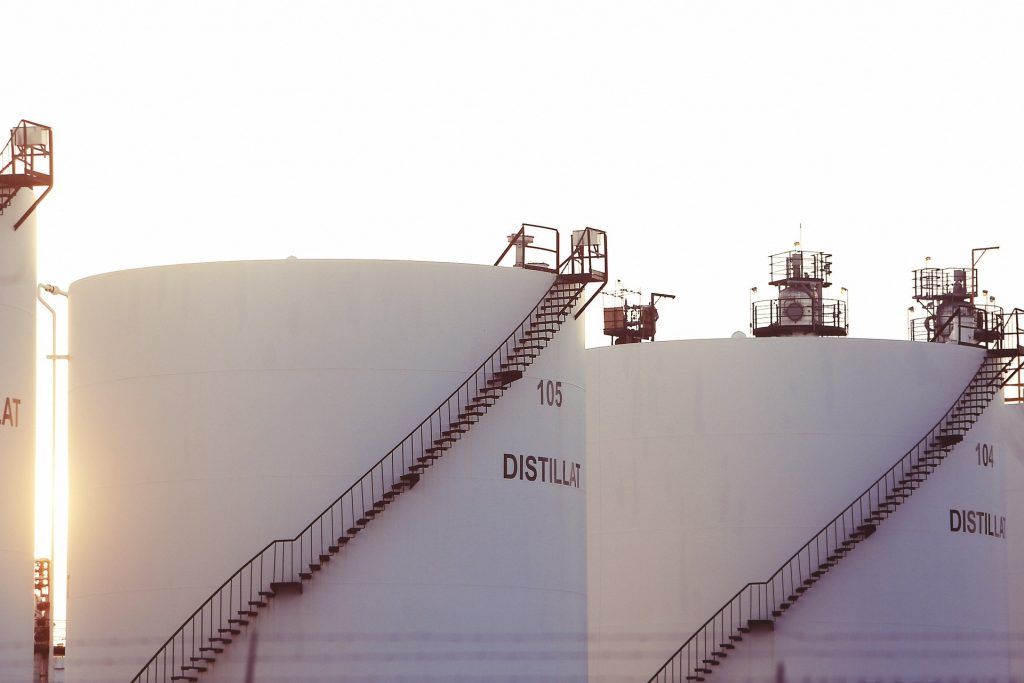
As a general rule, storage tanks operate at atmospheric or very low pressures. A fundamental analysis in the design of storage tanks, associated with their protection and safety, is the design of the elements against overpressure and vacuum. The most commonly used protection elements in storage tanks are the vents, along with additional pressure relief […]
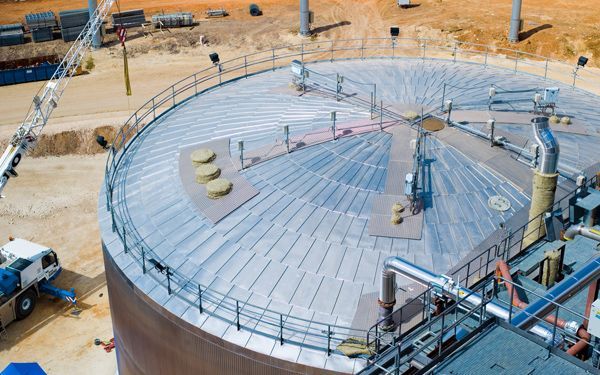
The storage of energy is something convenient and even necessary in various industrial sectors. Energy can be stored in the form of electrical, mechanical or thermal energy. For this purpose, among others, devices such as batteries, flywheels or substances in a different phase than the one at ambient temperature are used. Regarding the last case, […]